These guidelines explain how referendum campaigning works, what’s allowed, and what you need to do before you start.
If you’re interested in campaigning or feel strongly about the proposal, this page explains how you can get involved and support either the ‘For’ or ‘Against’ campaign.
Key dates
Campaigning runs alongside voting.
Campaigning starts / voting opens: Monday 15 June (10am)
Campaigning ends / voting closes: Friday 10 July (5pm)
Start here
Before you begin campaigning, you must complete the following steps:
- Register your campaign team
- Submit your campaign plan for approval
- Wait for confirmation before you start campaigning
Register your campaign team
Who runs the referendum
The referendum is overseen by the Returning Officer and supported by Union staff.
Returning Officer (RO) & Head of Student Support & Representation
Ruth Sharma
Electoral & Referendum Committee
Responsible for the day-to-day running of the referendum.
Referendum Support Team
- Student Voice Manager – Maria Bamgbele
- Student Voice Co-ordinator – Arianna Zampella
Campaign rules
All campaign teams must follow these rules throughout the referendum.
You must
- Be clearly identifiable when campaigning online
- Use personal or dedicated campaign accounts only
- Take responsibility for your campaign team’s actions
You must not
- Use mailing lists, group chats or databases to promote your campaign
- Use club, society, course or University lists for campaigning
- Hide or misrepresent your campaign identity
If you are unsure whether something is allowed, contact the Student Voice Team before posting.
Email: StudentVoice@brunel.ac.uk
Campaign responsibilities
Campaign lead
Responsible for overall conduct, organisation and compliance.
Campaign team
Responsible for all actions and statements made by team members.
If any rule is broken, the entire campaign team may be held accountable.
How campaigning works
Online campaigning only
- Campaigning must be online unless otherwise confirmed
- You may use Instagram, Facebook, X (Twitter) or Snapchat
- Your campaign must be clearly identifiable
Where campaigning happens
- Social media platforms
- Approved Union campaign spaces (if allocated)
Fair & inclusive campaigning
All students must be able to take part in the referendum.
- Keep language clear and accessible
- Be respectful to other campaigners
- Make content inclusive and easy to understand
If you need reasonable adjustments, contact the Student Voice Team.
Your campaign plan must include
- Which side you are campaigning for (For or Against)
- Campaign team members
- Your key arguments (published on the website)
- Your social media / online approach
- A signed agreement from the campaign lead
- Any other relevant details
Campaign guidance
Keep it simple – clear messaging works best.
Communicate often – build awareness and engagement.
Stay consistent – make your campaign easy to recognise.
Social media tips
- Use strong visuals
- Keep posts short and clear
- Use hashtags to reach more students
- Post when engagement is highest
Equality & accessibility
Campaigns should be open, welcoming and accessible to all students.
- Use simple, clear language
- Design content for different student needs
- Ensure everyone can understand and participate
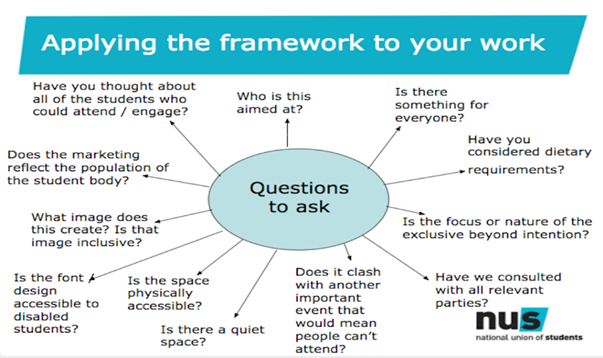
- Ask yourself the below questions when planning your campaigns: